
More About Polylactic Acid
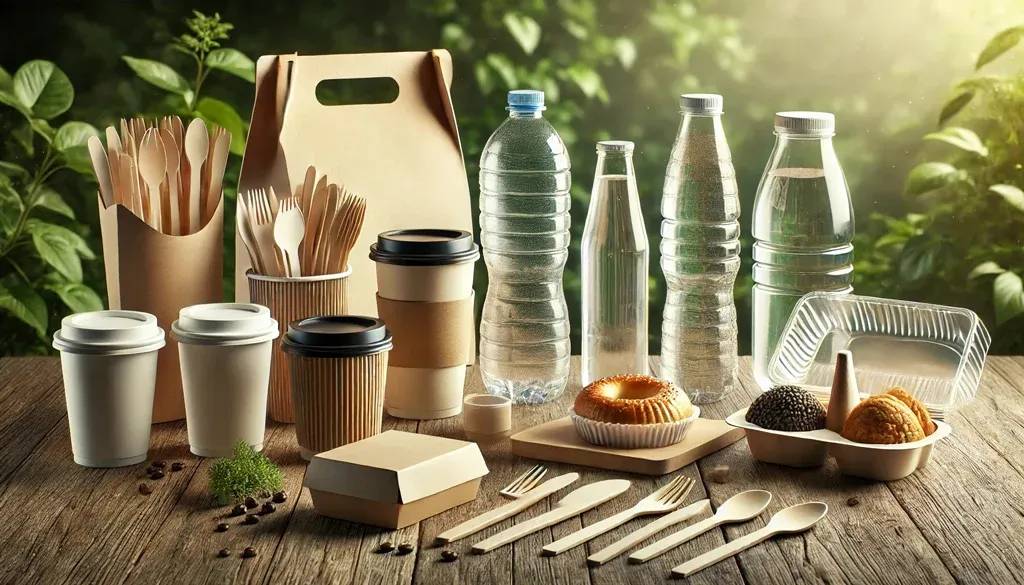
PLA is revolutionising the world of plastics by offering a renewable alternative to fossil-based plastics. Our state-of-the-art biopolymer plant will be strategically located next to BCML’s integrated sugar mill in Uttar Pradesh, India. Used in various applications from packaging to textiles, PLA supports a greener, more sustainable tomorrow.
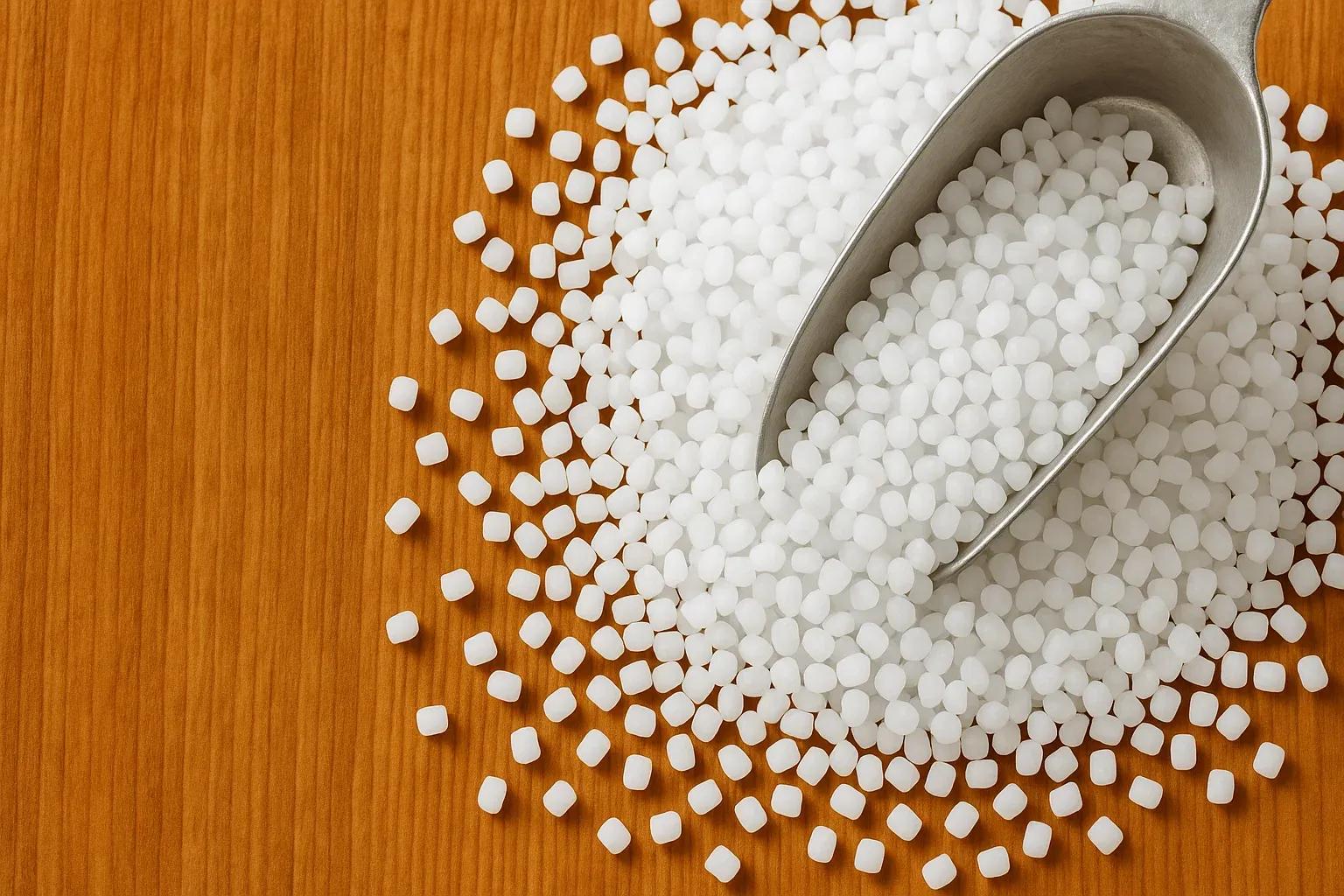
Polylactic Acid (PLA) bioplastics are made from renewable plant resources such as sugarcane, corn starch, tapioca roots and other plant-based feedstocks. The process of extracting PLA involves fermentation and polymerisation, breaking down naturally without leaving toxic residues.
Leading polylactic acid manufacturers offer innovative polylactic acid products, while trusted PLA suppliers in India deliver sustainable solutions for diverse industries.
Sustainable PLA Cycle
Circular Economy of PLA: A Sustainable Loop
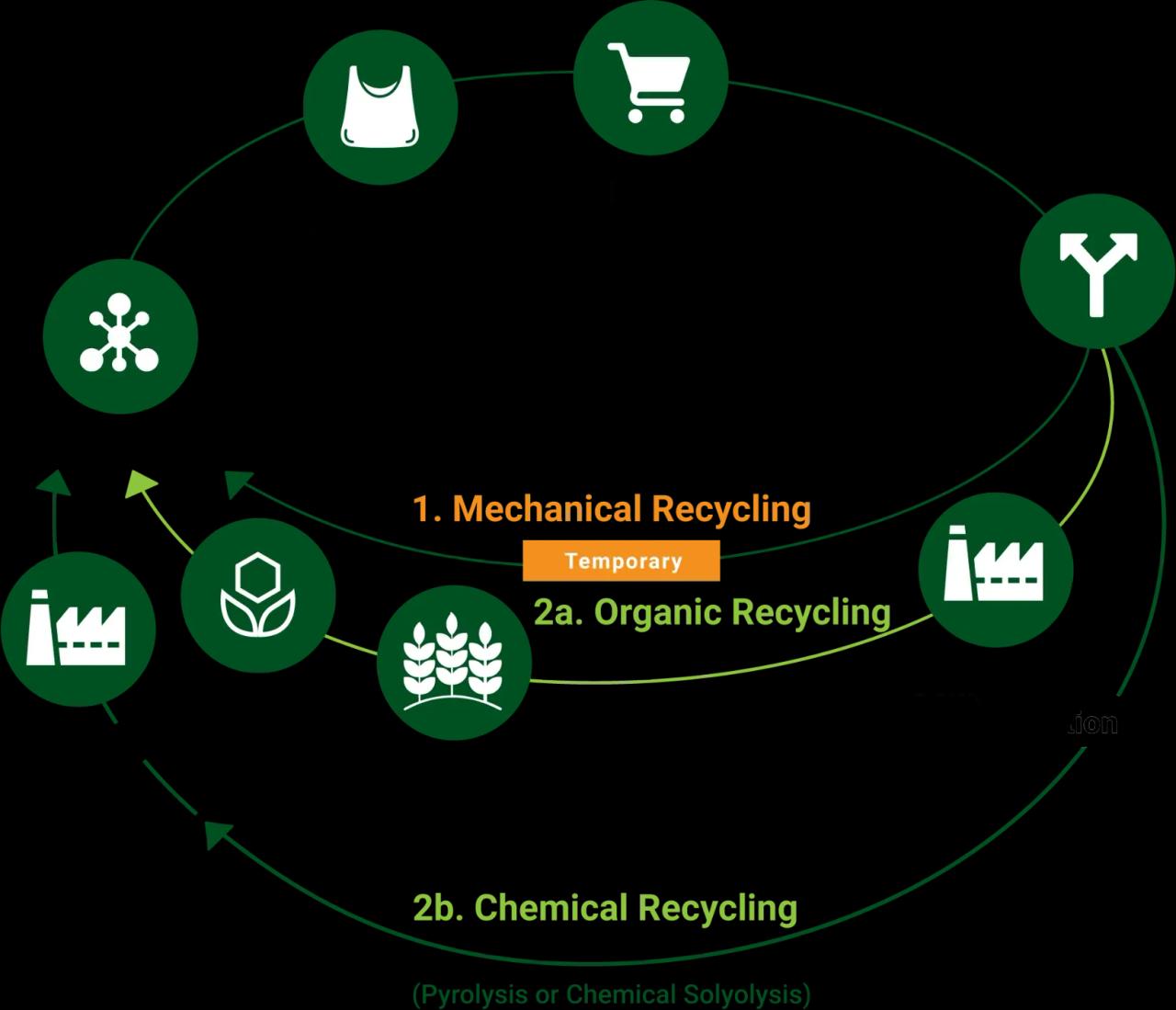
PLA manufacturing in India follows a closed-loop lifecycle, from production to end-of-life, supporting a circular economy. The sustainable journey begins with renewable resources and extends through the diverse applications of biopolymers, with PLA capable of being recycled into new materials.
Key Stages in the PLA Circular Economy:
- Renewable Resources – Sugarcane and corn starch serve as sustainable feedstocks.
- PLA Resin Production – Fermentation and polymerisation of lactic acid produce high-quality PLA resin.
- PLA Applications – Widely used in packaging, textiles, medical devices, and other applications of biopolymers.
- Recycle and Reuse – Mechanical and chemical recycling methods help recover valuable materials.
- Composting – PLA can be processed through industrial composting under suitable conditions.
- Energy Recovery – Non-recyclable waste can be converted into energy, supporting resource efficiency.
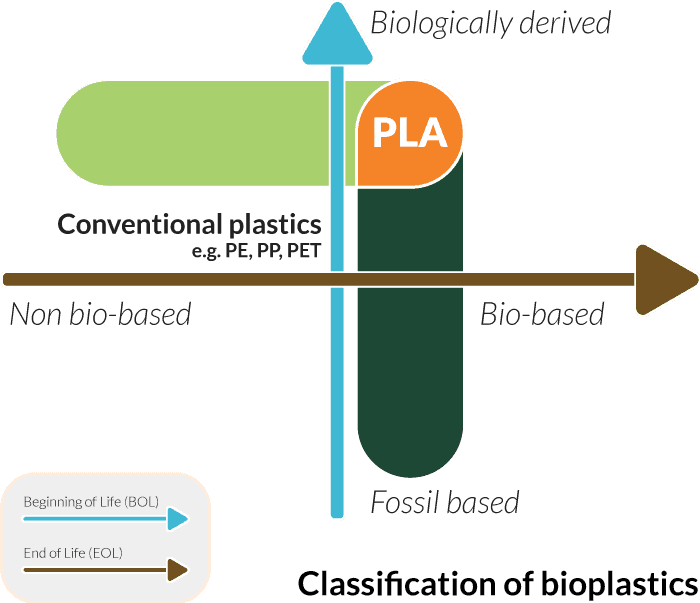
Categorising Biopolymers
Where does PLA fit in?
- PLA is bio-based.
- PLA can biodegrade under industrial composting conditions, supporting organic recycling.
- PLA is also easy to chemically recycle.
- Some contamination of PLA in existing mechanical recycling streams does not significantly affect recycling performance.
- PLA is one of the lowest-cost biopolymers, offering excellent hardness, high transparency, and strong potential for large-scale production.
As one of the most widely adopted renewable bioplastics, PLA plays a vital role in advancing the sustainability of bioplastics across industries. Its combination of renewable raw materials, recyclability, and industrial compostability makes it an ideal alternative to conventional plastics. With its versatile properties and expanding applications, PLA supports the transition towards a circular economy while helping businesses reduce their environmental footprint and meet evolving sustainability goals.
Technical Summary for Bioyug PLA
Balrampur Bioyug Typical Properties
| BCML Grades | Appearance | Physical Properties | Mechanical Properties | |||||||
|---|---|---|---|---|---|---|---|---|---|---|
| Density (g/cm³) | Moisture (%) | Monomer Content (%) | MFI (190°C / 2.16kg) | D-content (%) | Melting Temperature (°C) | Glass Transition Temperature (°C) | Tensile Strength (MPa) | Elongation at Break (%) | ||
| BIOYUG_30U | Semitransparent for all | 1.24 | ≤0.04 | ≤0.3 | 30 | <1 | 175 | 60 | 50 | ≤5 |
| BIOYUG_30M | Semitransparent for all | 1.24 | ≤0.04 | ≤0.3 | 30 | 2 | 165 | 60 | 50 | ≤5 |
| BIOYUG_10U | Semitransparent for all | 1.24 | ≤0.04 | ≤0.3 | 10 | <1 | 175 | 60 | 50 | ≤5 |
| BIOYUG_10M | Semitransparent for all | 1.24 | ≤0.04 | ≤0.3 | 10 | 2 | 165 | 60 | 50 | ≤5 |
| BIOYUG_4U | Semitransparent for all | 1.24 | ≤0.04 | ≤0.3 | 4 | <1 | 175 | 60 | 50 | ≤5 |
| BIOYUG_4M | Semitransparent for all | 1.24 | ≤0.04 | ≤0.3 | 4 | 2 | 165 | 60 | 50 | ≤5 |
| BIOYUG_4K | Semitransparent for all | 1.24 | ≤0.04 | ≤0.3 | 4 | 4 | 155 | 60 | 45 | ≤5 |
Bioyug Portfolio
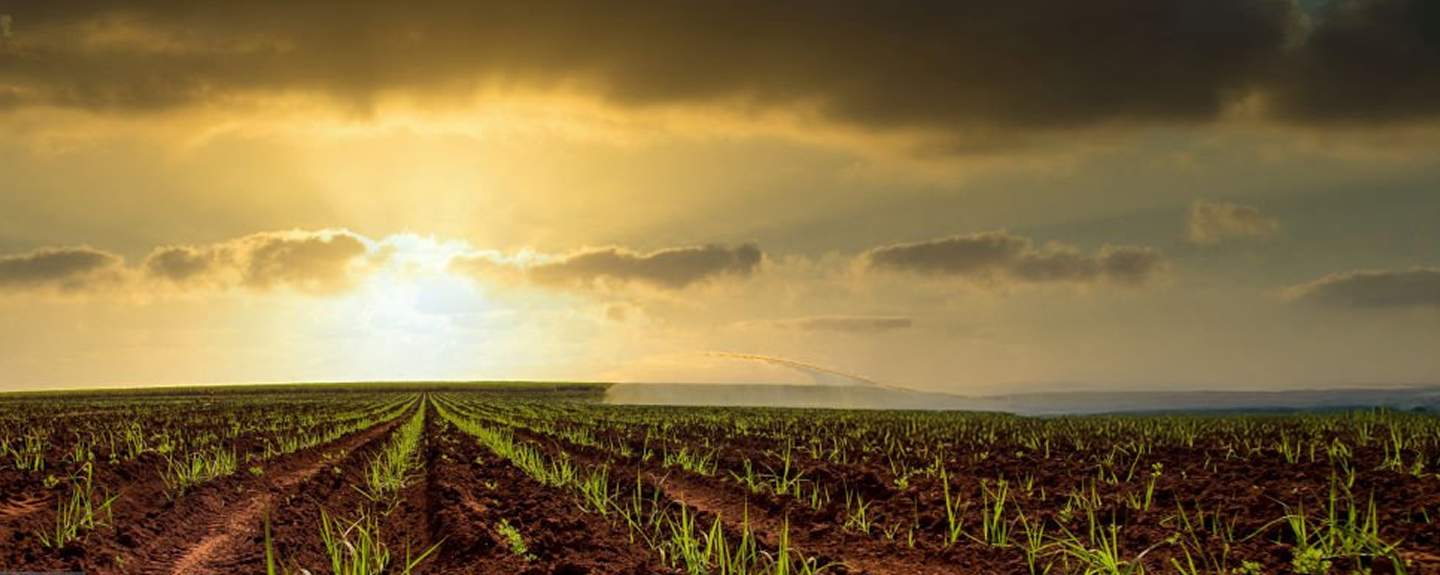
Manufacturing Diagram
The Manufacturing Process of PLA
Sugarcane
Sugar
Fermentation
Purification of Lactic Acid
Lactide
Ring Opening Polymerization of Lactide
PLA Pellets
PLA Applications
Thermophilic Anaerobic Digestion
Biofertilizer

Advantages of Using Bioyug

No Microplastics
A study by a premier government institution found that PLA microplastics break down safely under Indian soil conditions. Within just 180 days, microplastic particles reduced from 287 to only 18 particles/kg, demonstrating PLA's significantly lower long-term environmental impact compared to conventional plastics. This makes PLA a more sustainable choice for a cleaner future.