

About Us
A New Venture by Balrampur Chini Mills Ltd.
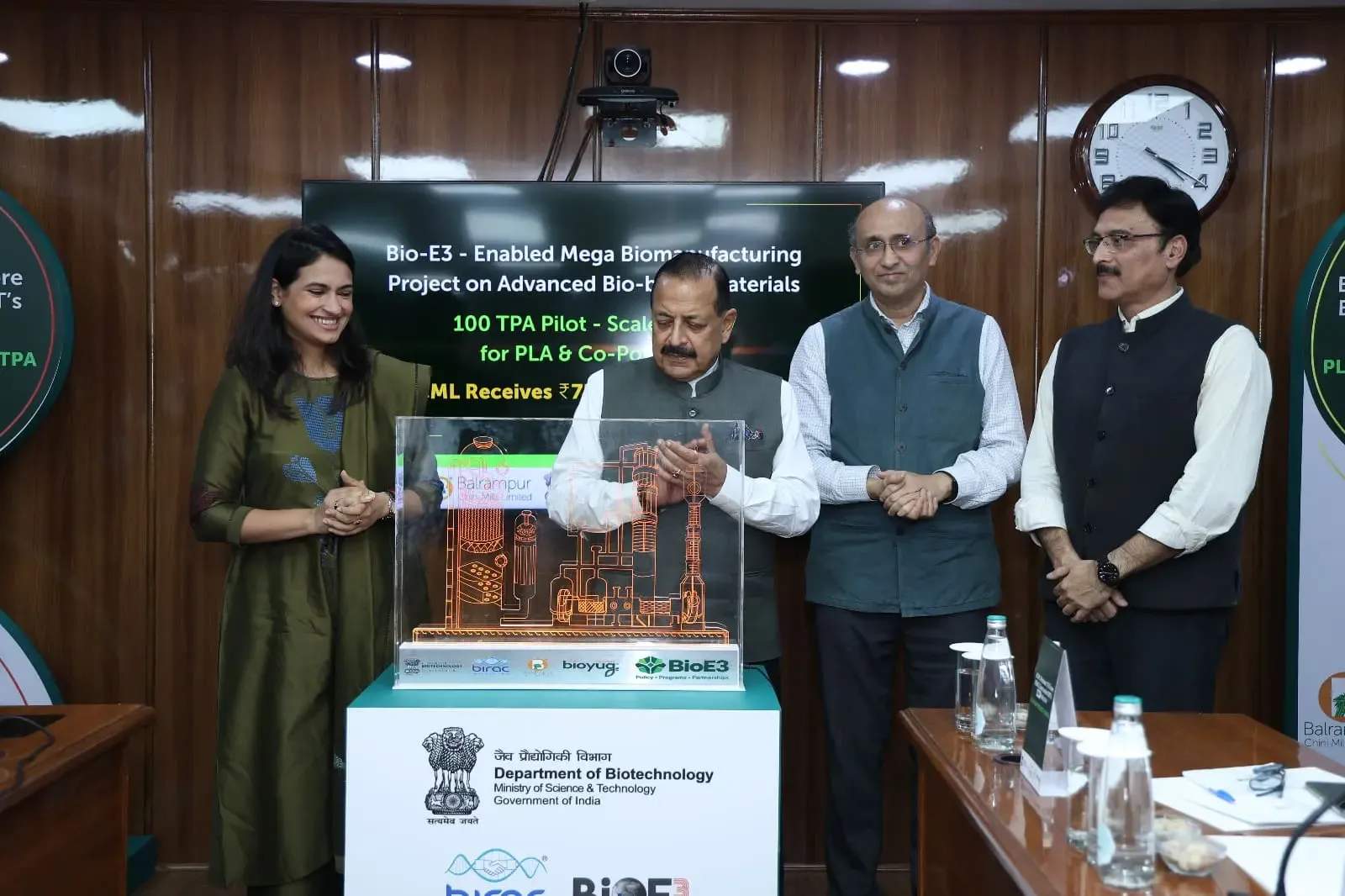
Balrampur Chini Mills Limited, one of the largest integrated sugar mill complexes in India, announced forward integration, & business diversification, with its upcoming PLA (Polylactic Acid) manufacturing venture. The new PLA venture is well- aligned with the sustainability goals envisioned by the Hon’ble Prime Minister of India, in order to combat climate change.
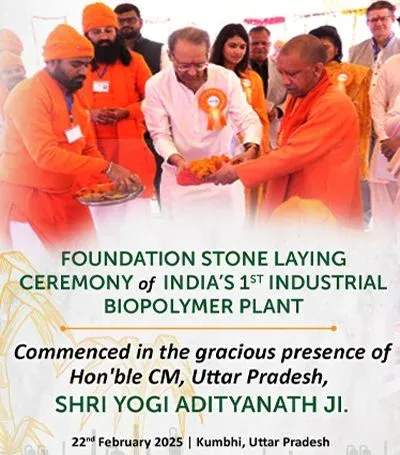
With an investment of Rs. 3080 crores in phases over a period of around 2.5 years, the new project is aimed to fuel India’s journey towards achieving net zero emissions by 2070. Expected to be completed by Q2 2026, this venture marks the establishment of the first-ever industrial bio-plastic plant in India. The state-of-art greenfield PLA factory will command a capacity of 80,’000 t/a beside the existing Kumbhi, sugar factory, of the company. This plant is going to be India’s first industrial scale biopolymer plant & also set a new global benchmark. It will be powered by 100% renewable energy for its entire production process, and also the first plant location where sugarcane is transformed into PLA in a single, integrated site, showcasing a truly closed-loop sustainability mode.
RECENT ACHIEVEMENTS
A Landmark Step Towards India's Sustainable Future
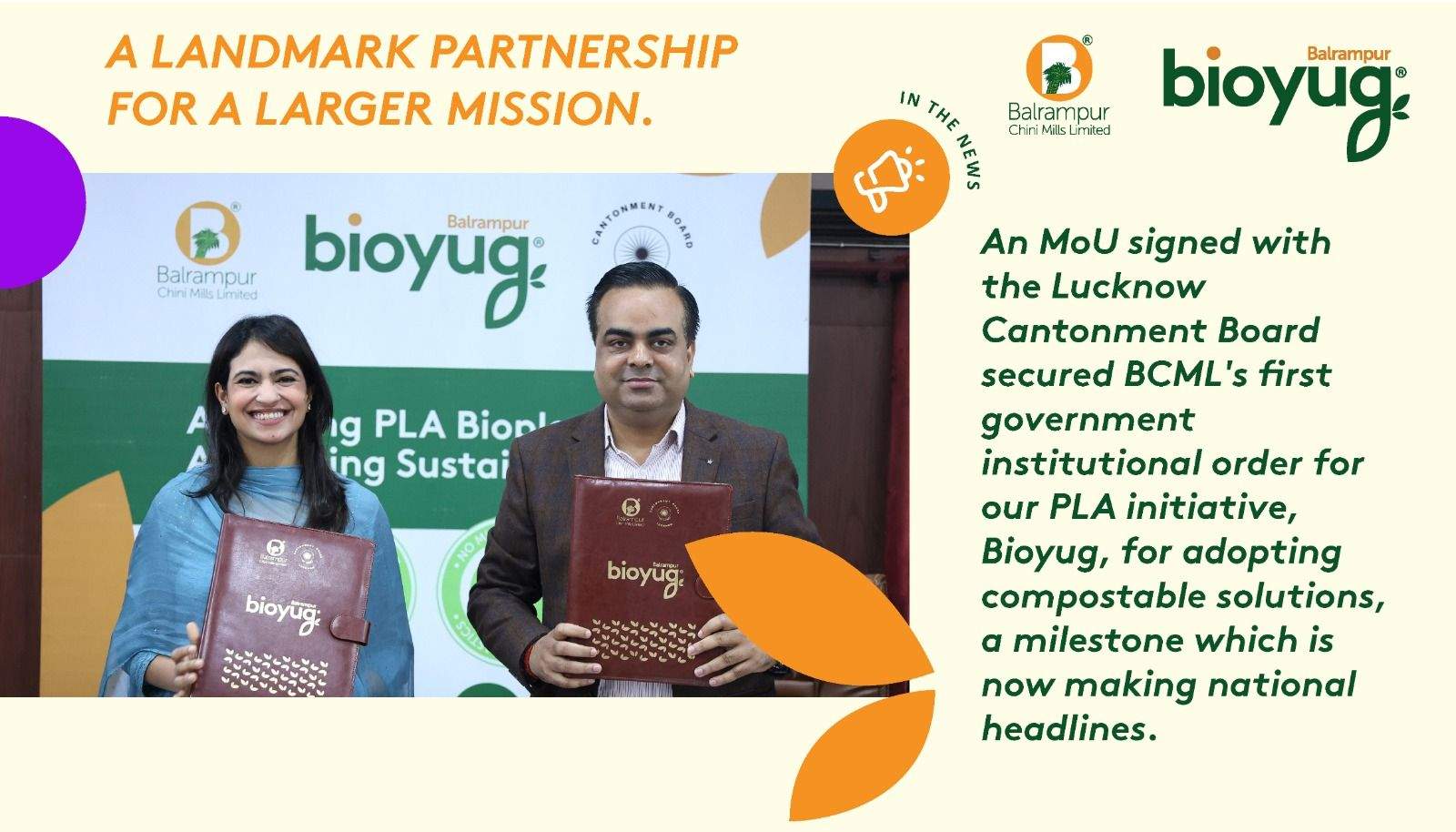
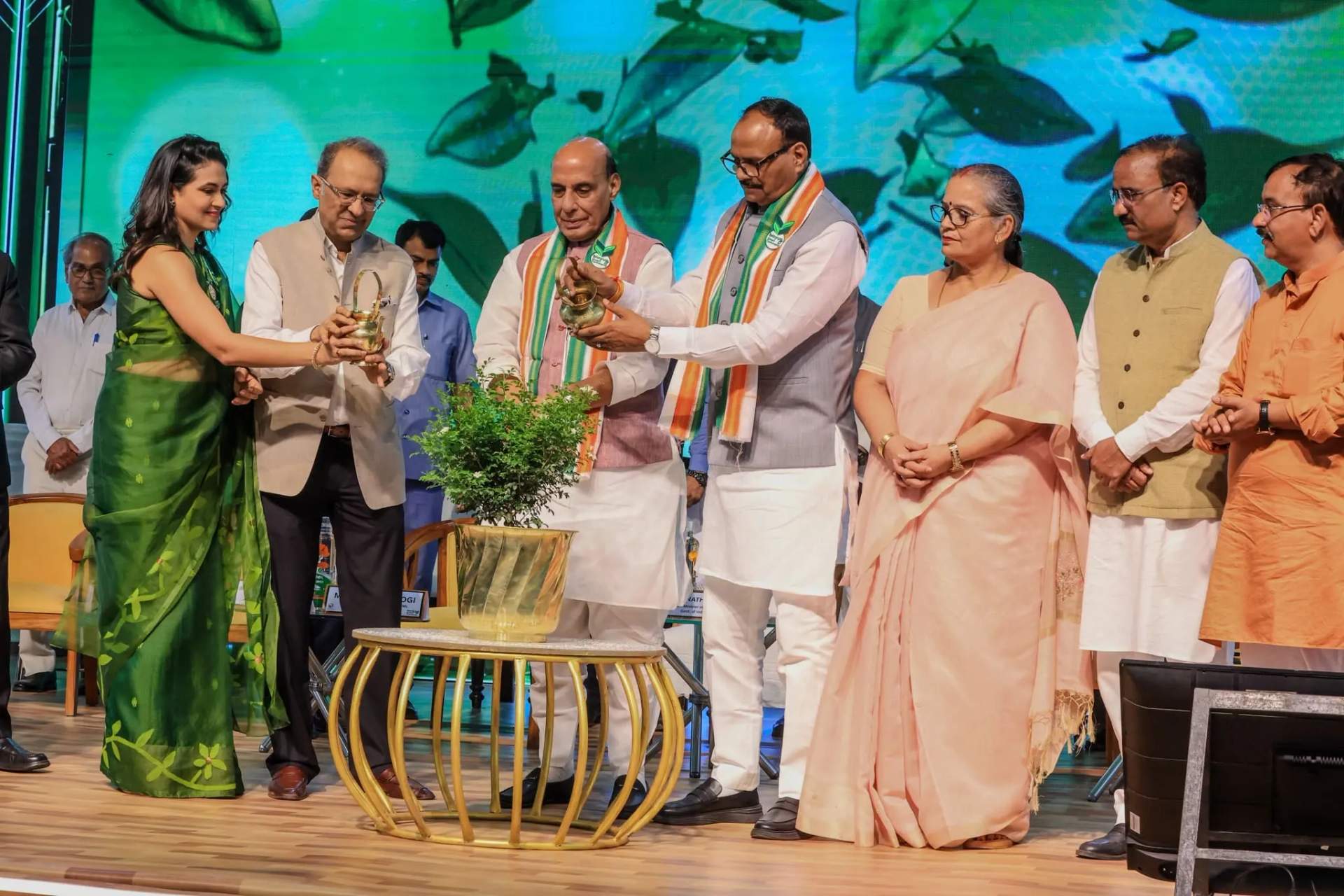
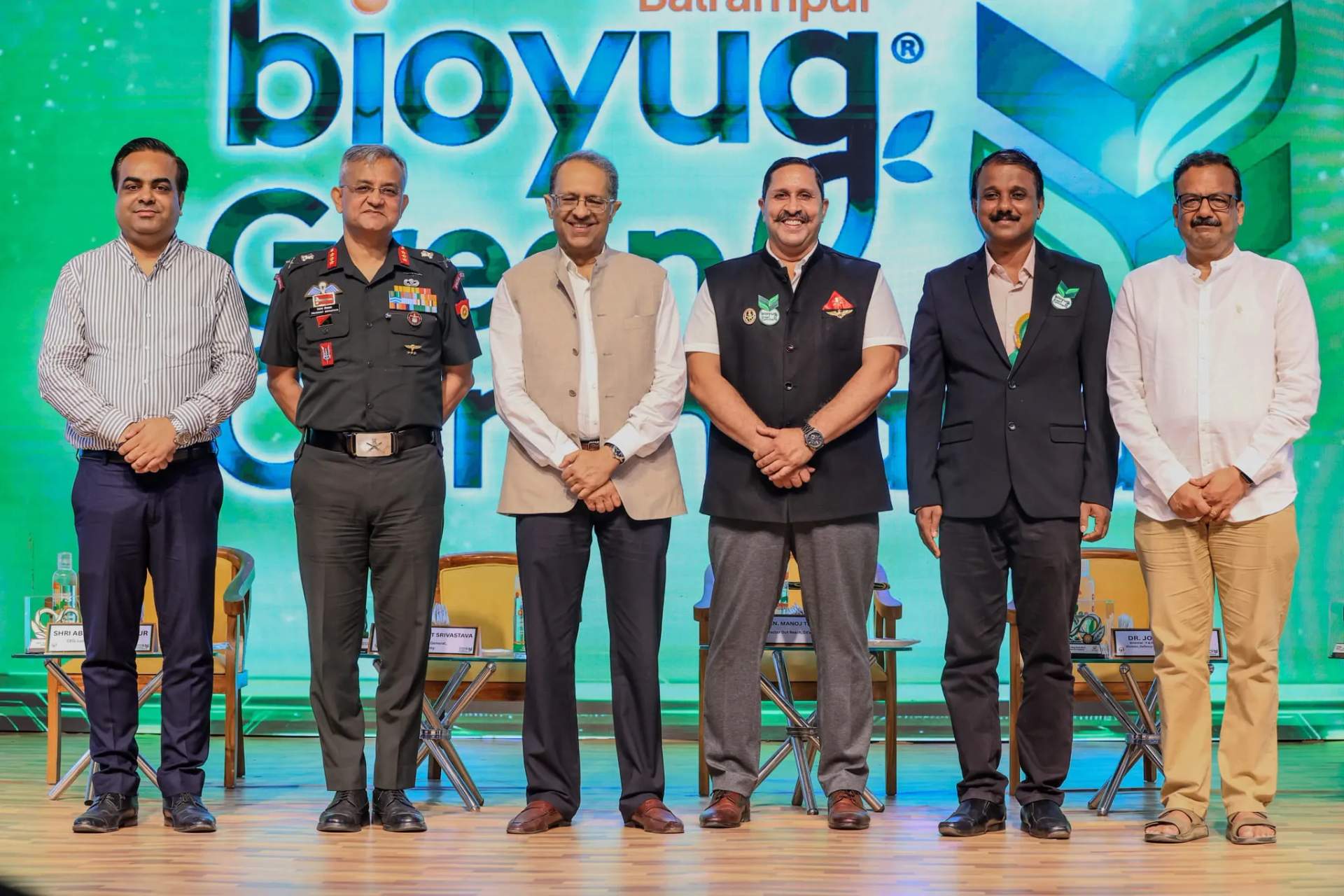
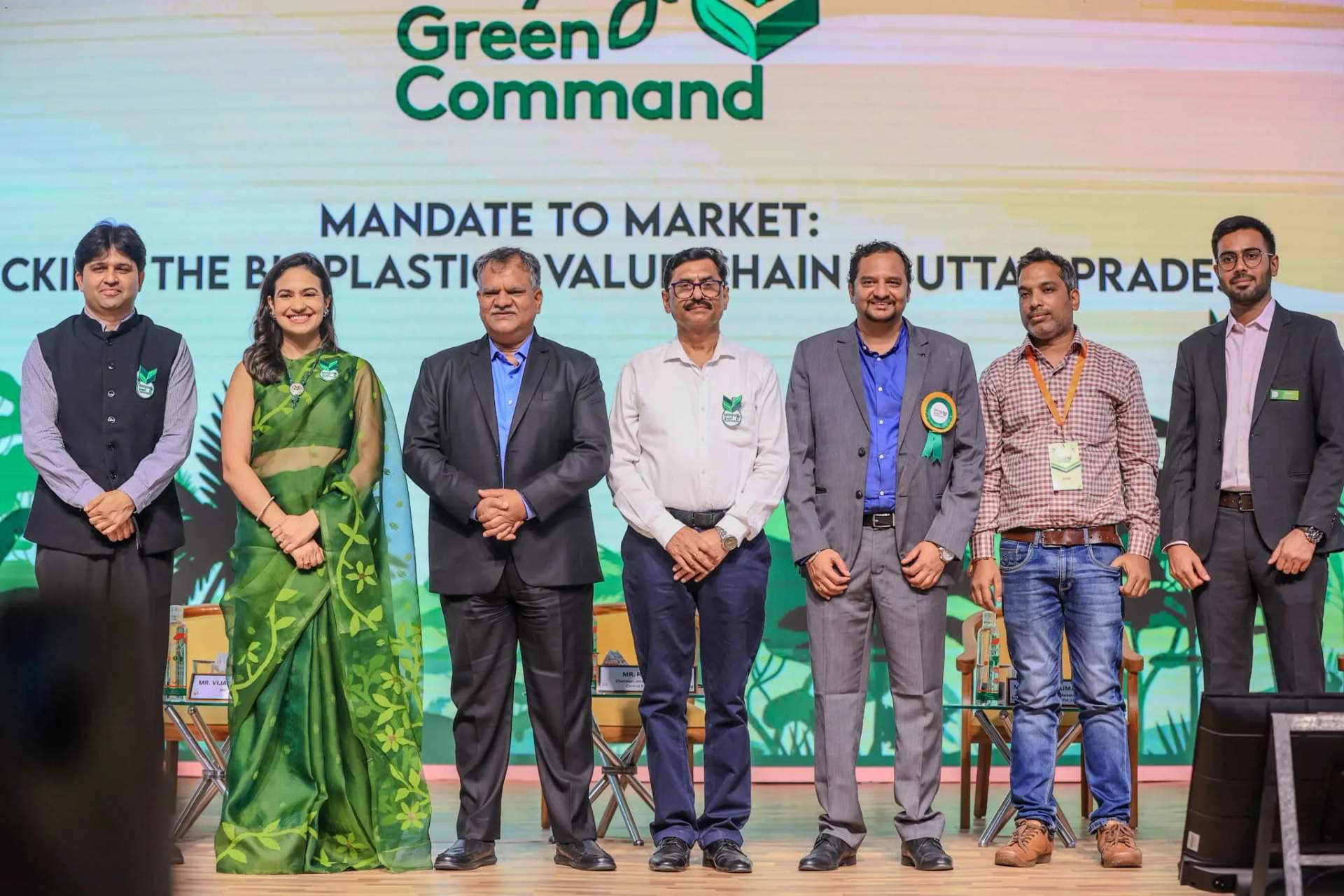
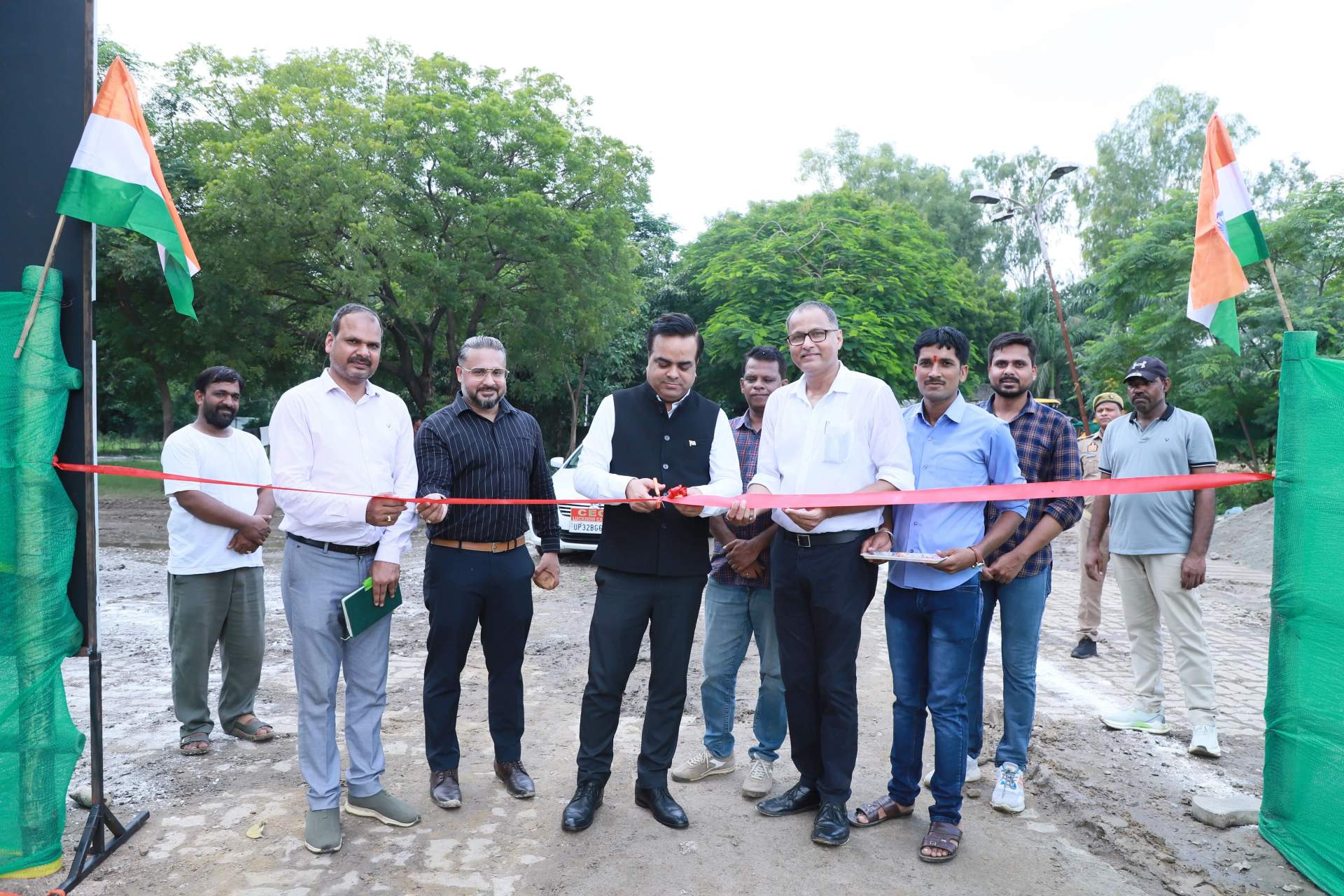
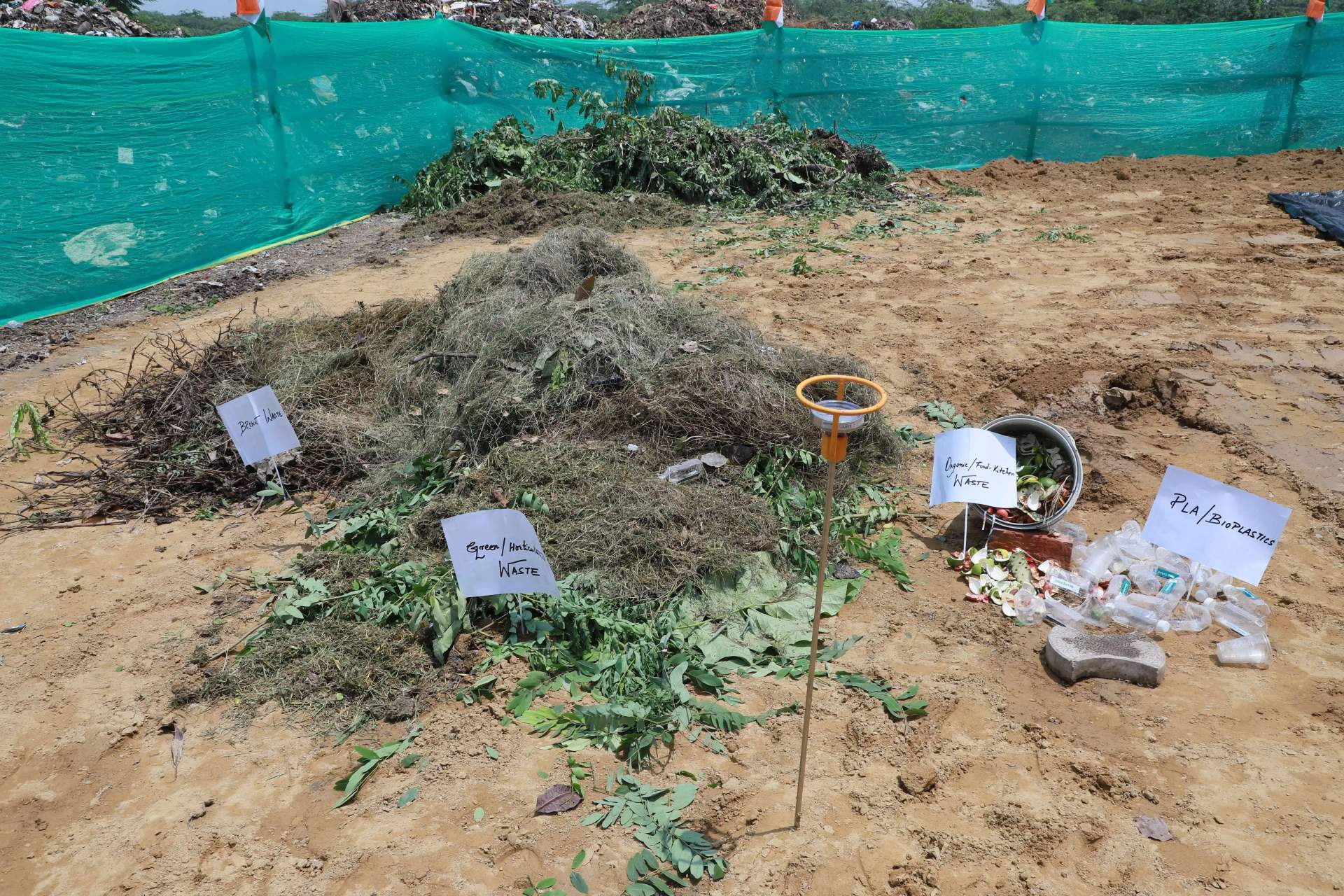
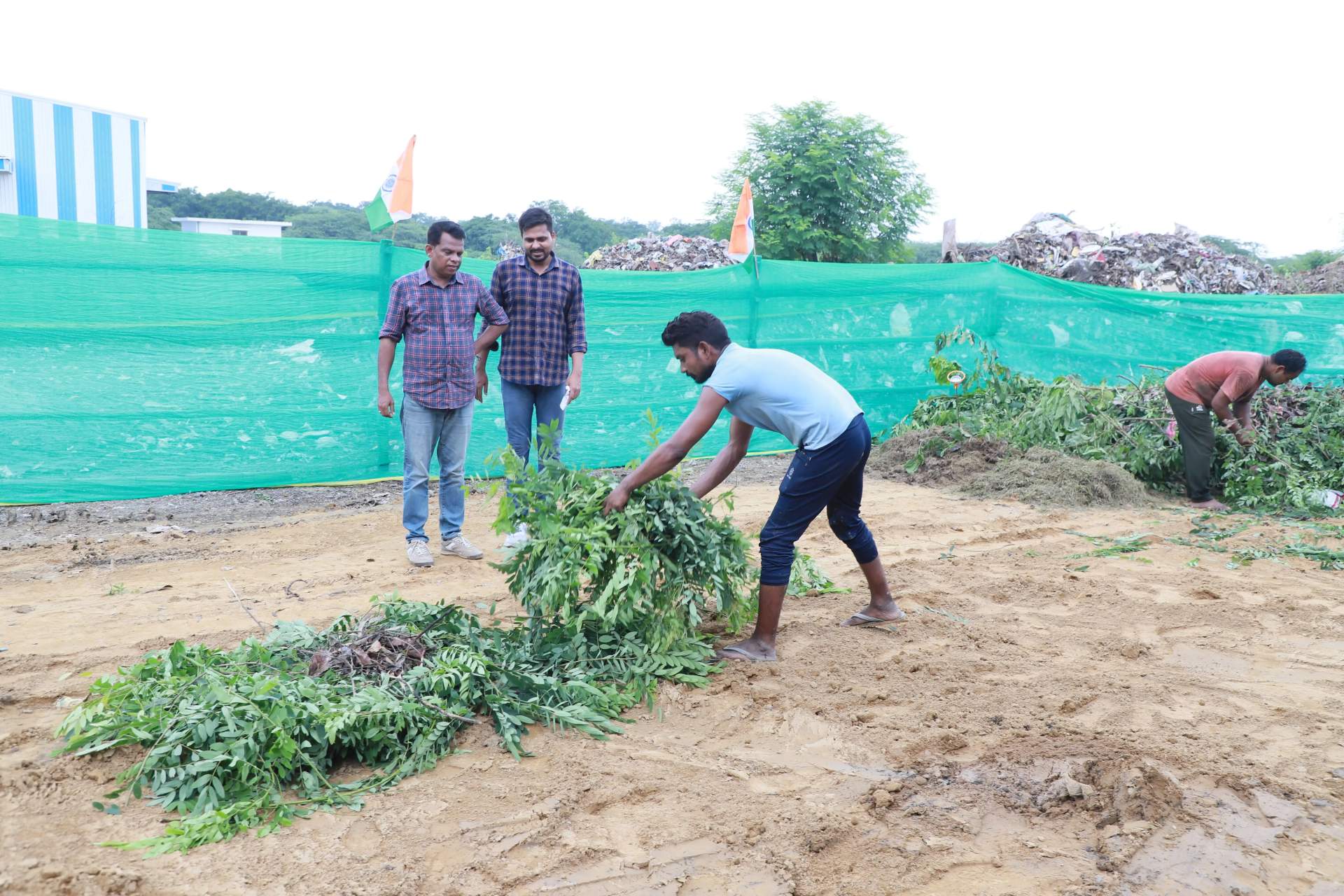
Balrampur Chini Mills Limited (BCML) signed a landmark MoU with the Lucknow Cantonment Board and secured its first Government institutional order for compostable PLA products, including garbage bags, bottles, pens, and folders. Building on this, BCML and the Lucknow Cantonment Board hosted Bioyug Green Command 2026 on World Environment Day in the esteemed presence of Hon'ble Defence Minister Shri Rajnath Singh Ji, highlighting sustainable bioplastics and indigenous innovation. Furthering this commitment, on 15 August 2026, both inaugurated an ‘Waste To Wealth Project through PLA Enabled Industrial Composting’, converting horticultural and food waste into valuable compost, with the first batch yielding 1 tonne of compost.
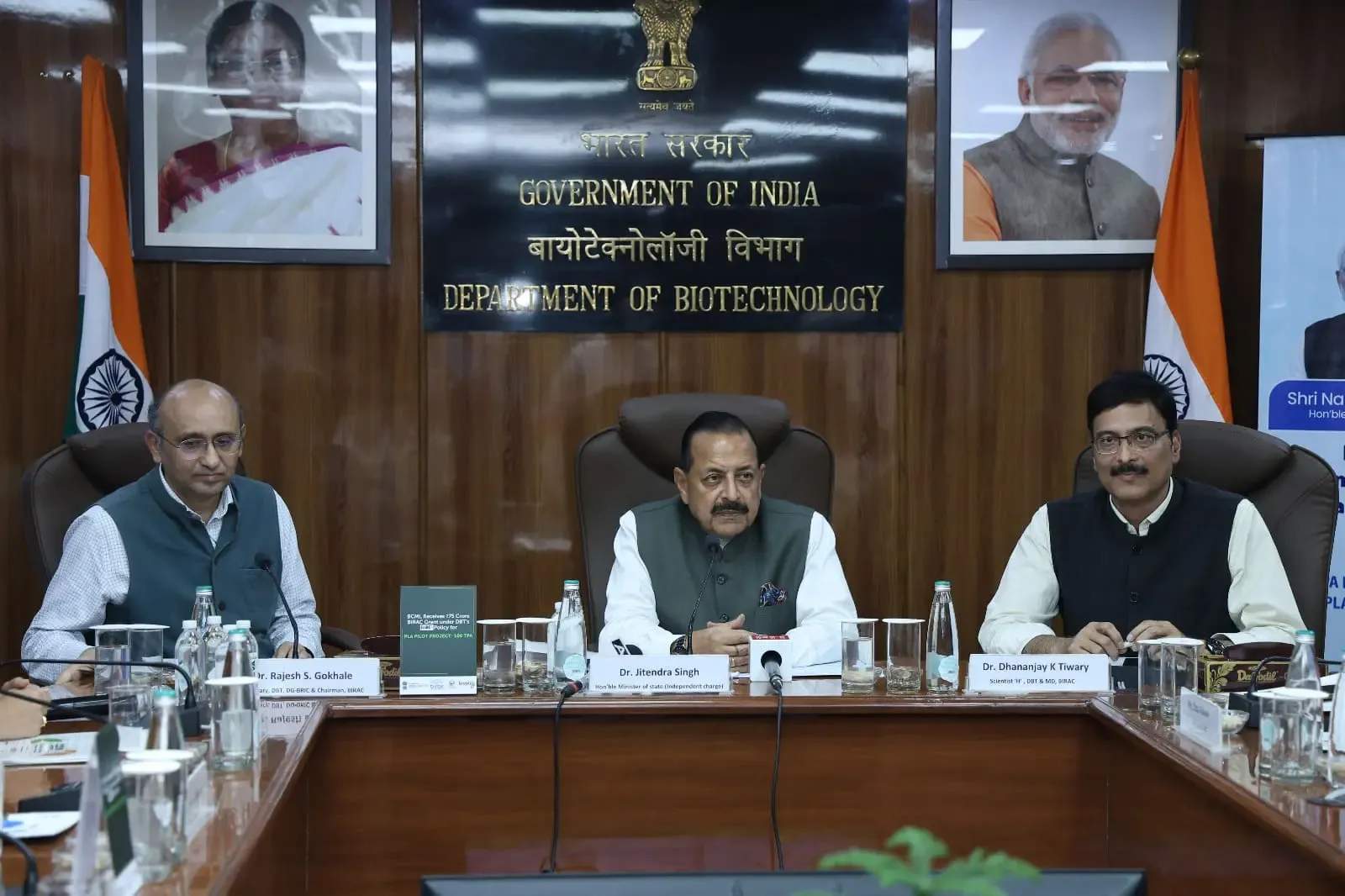
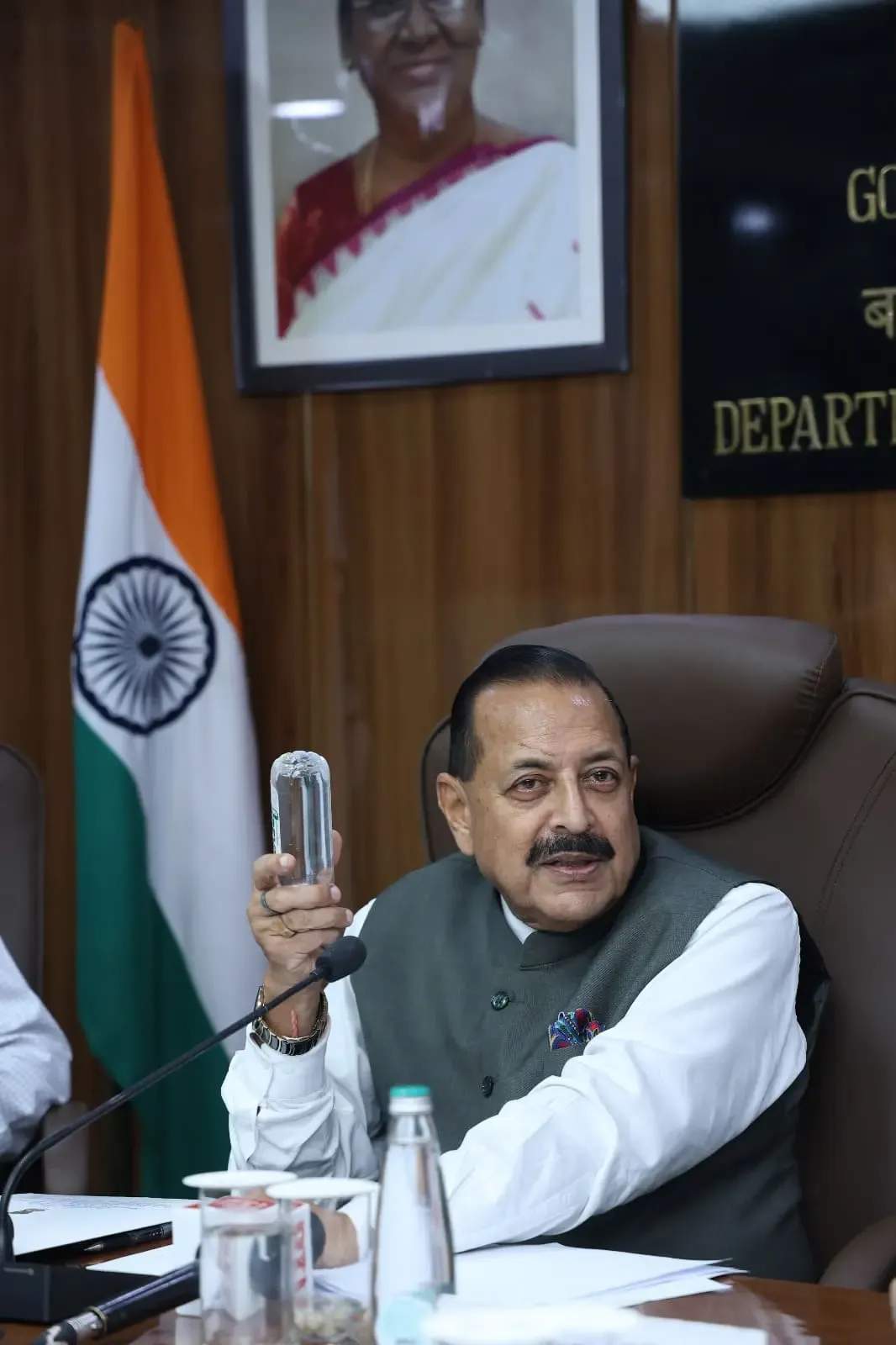
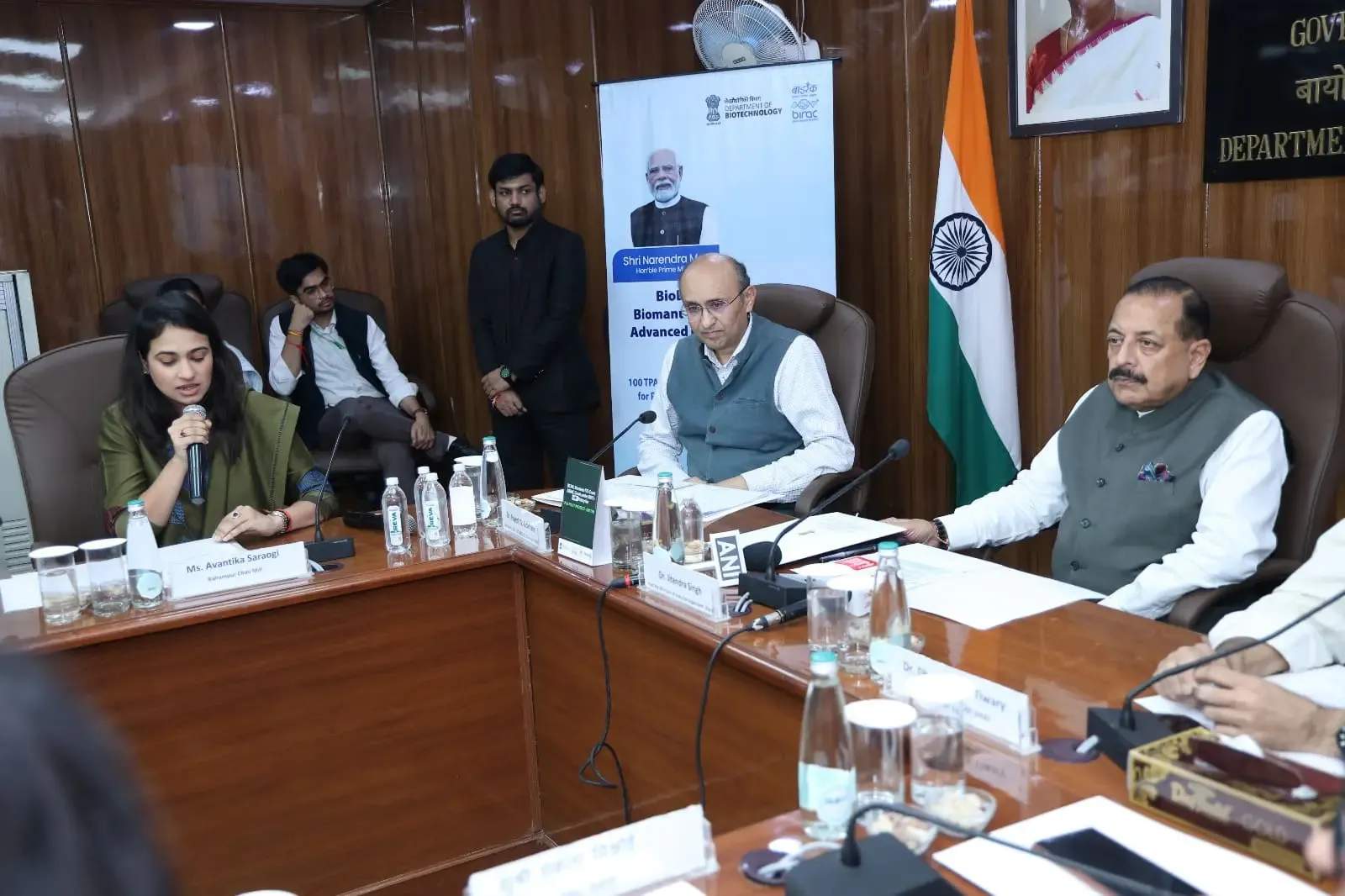
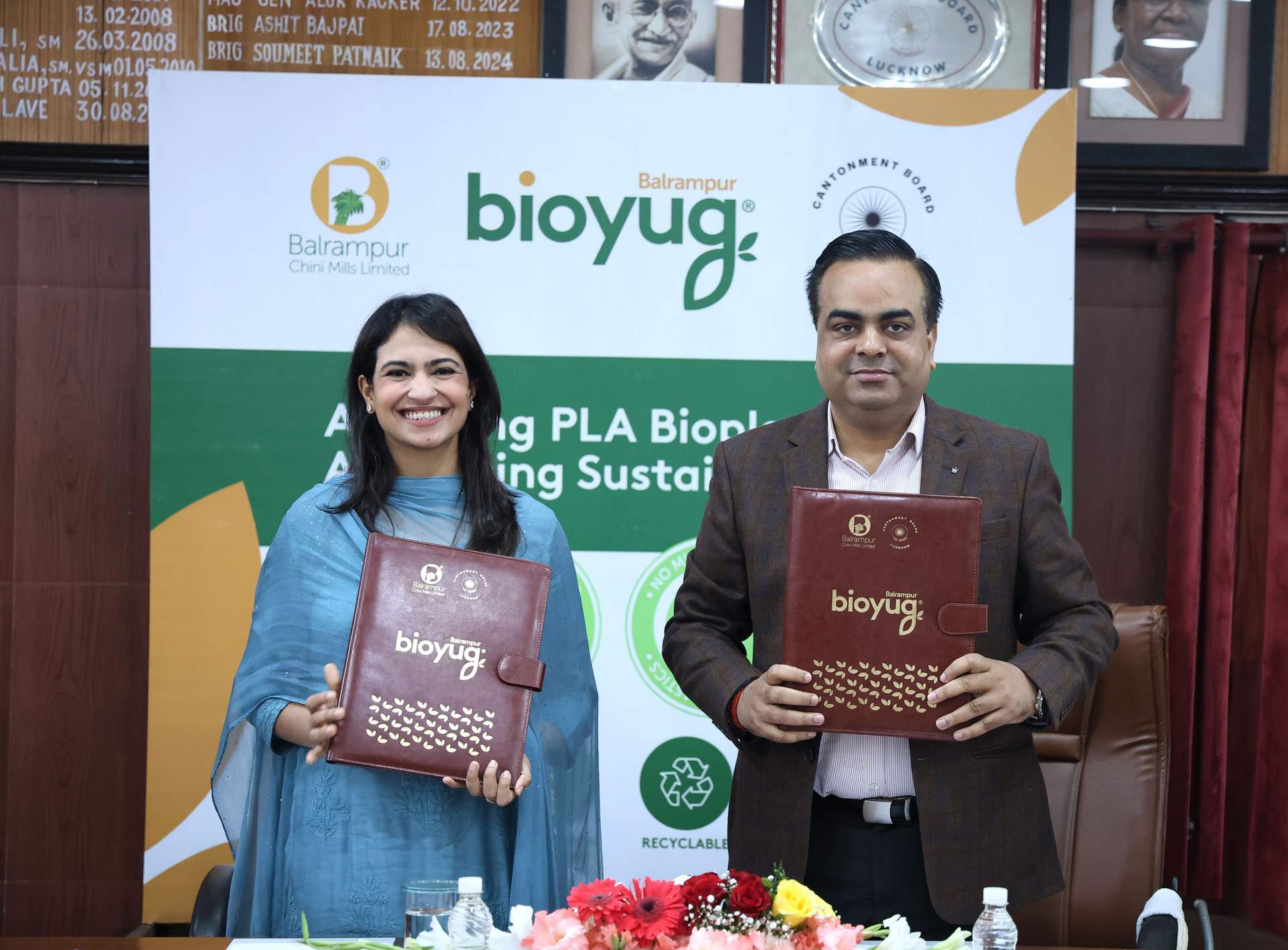
Shri Abhishek Rathour, CEO, Lucknow Cantonment Board, and Ms. Avantika Saraogi, Executive Director, BCML, after the MoU signing
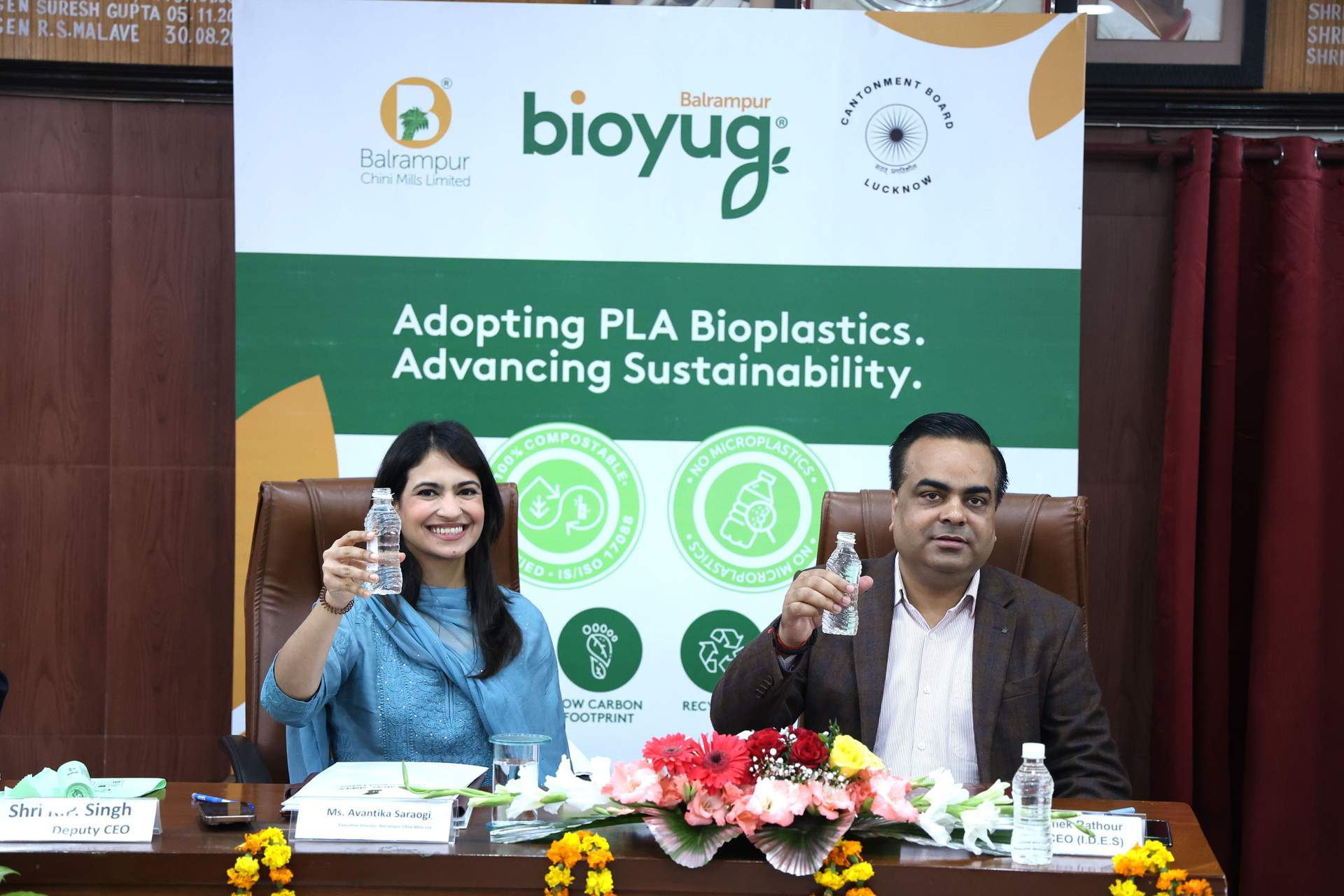
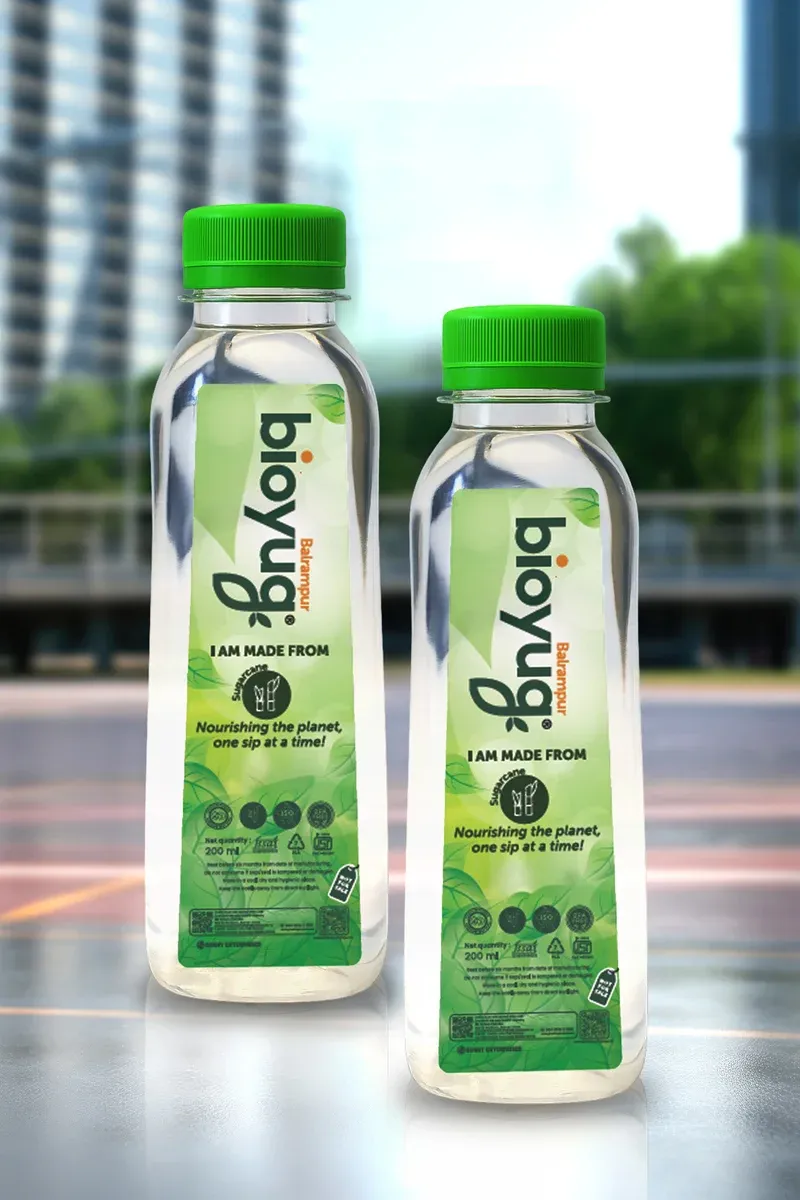
Ms. Avantika Saraogi, ED BCML and Shri Abhishek Rathour, CEO, Lucknow Cantonment Board, showcasing the Bioyug PLA bottle following the MoU signing
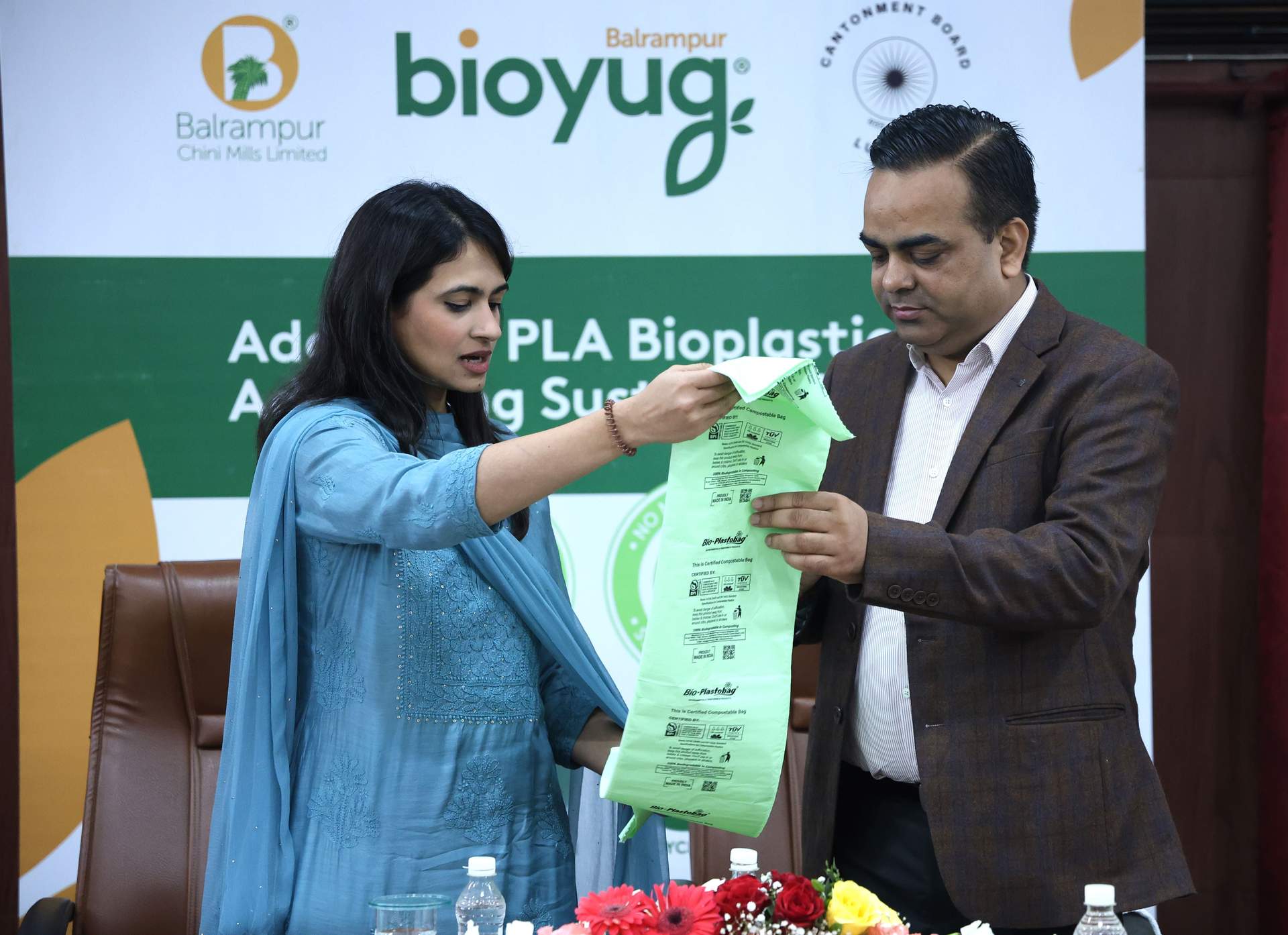
Showcasing Bioyug compostable garbage bags at the Lucknow Cantonment Board, marking a step forward in institutional adoption of sustainable waste management solutions.

What is PLA?
PLA: Revolutionizing the Future of Sustainable Bioplastics
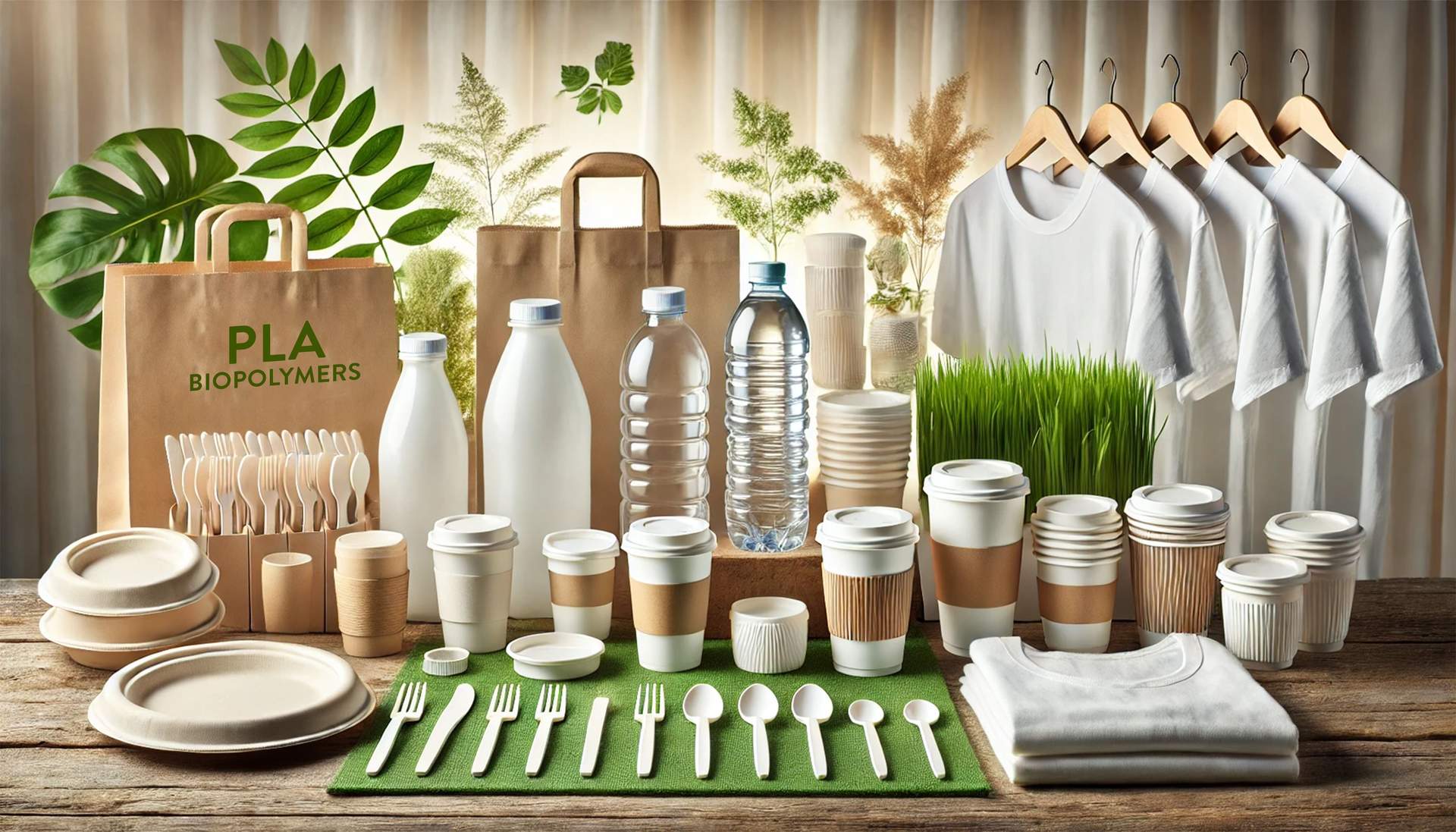
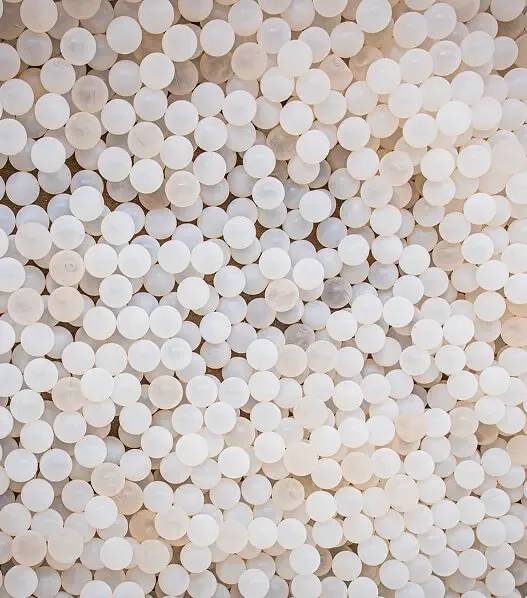
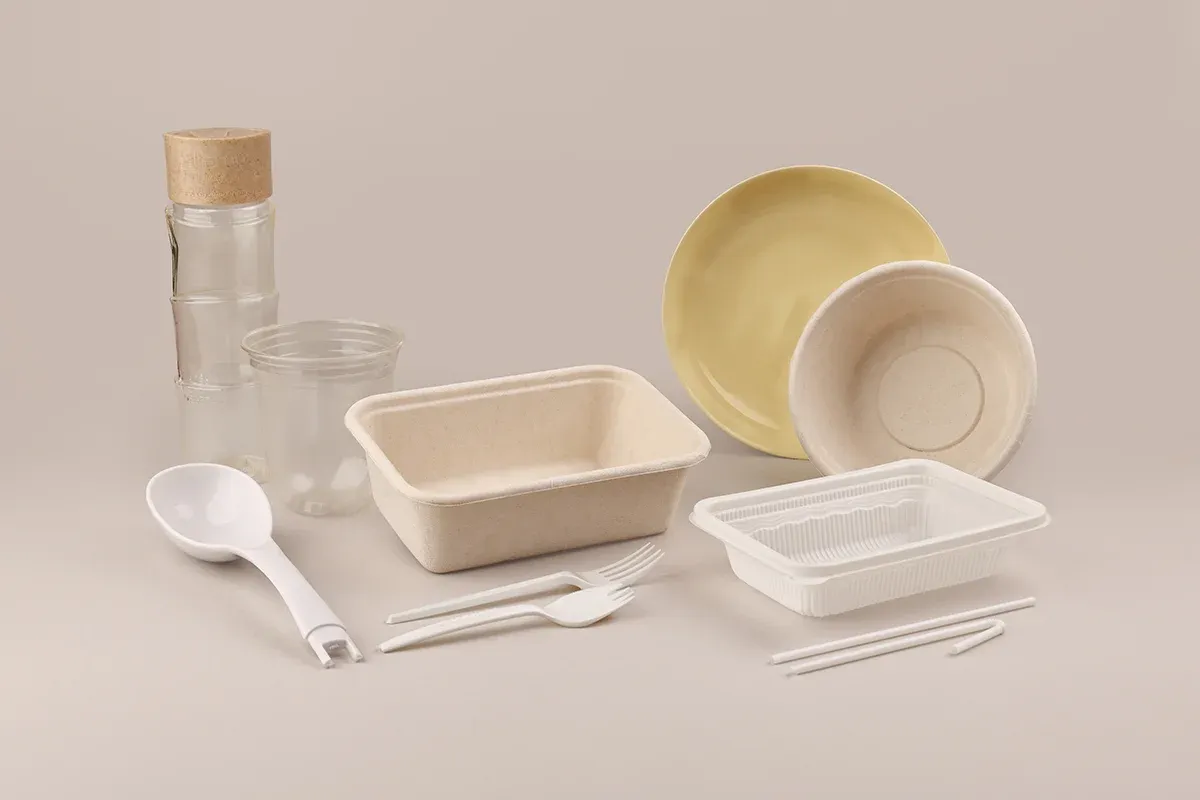
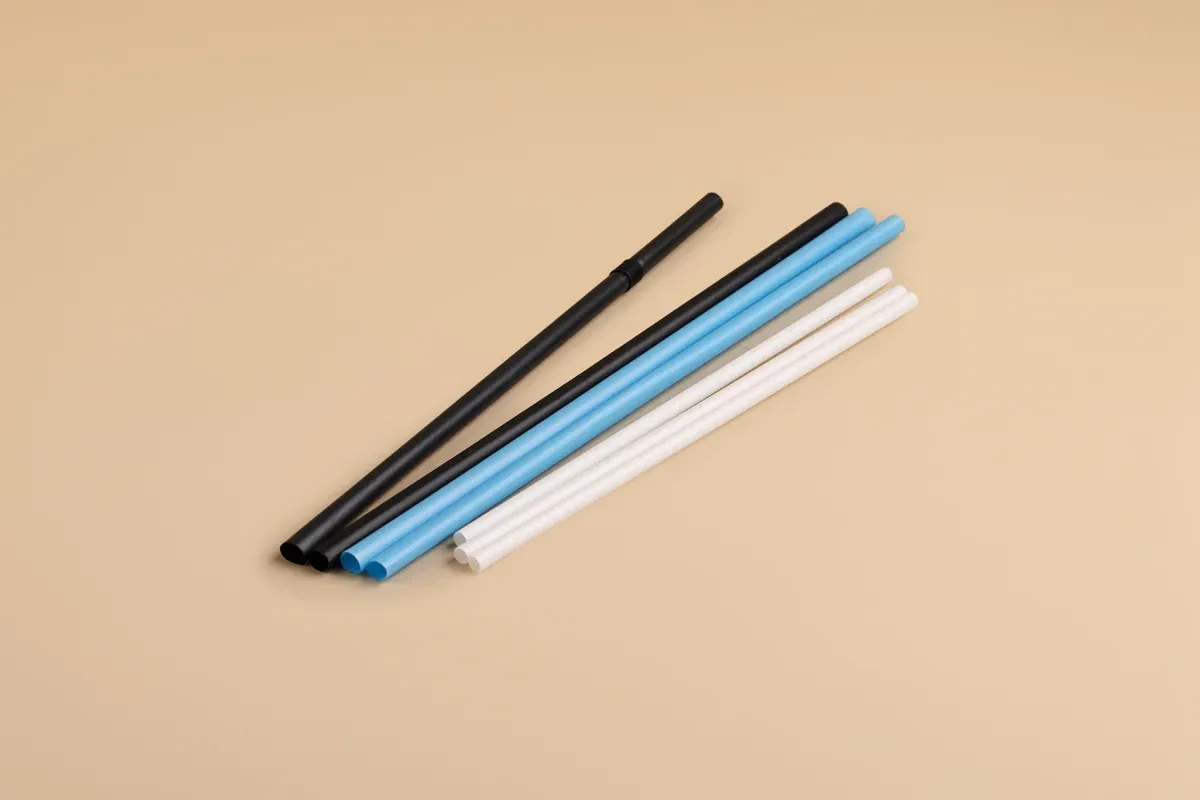
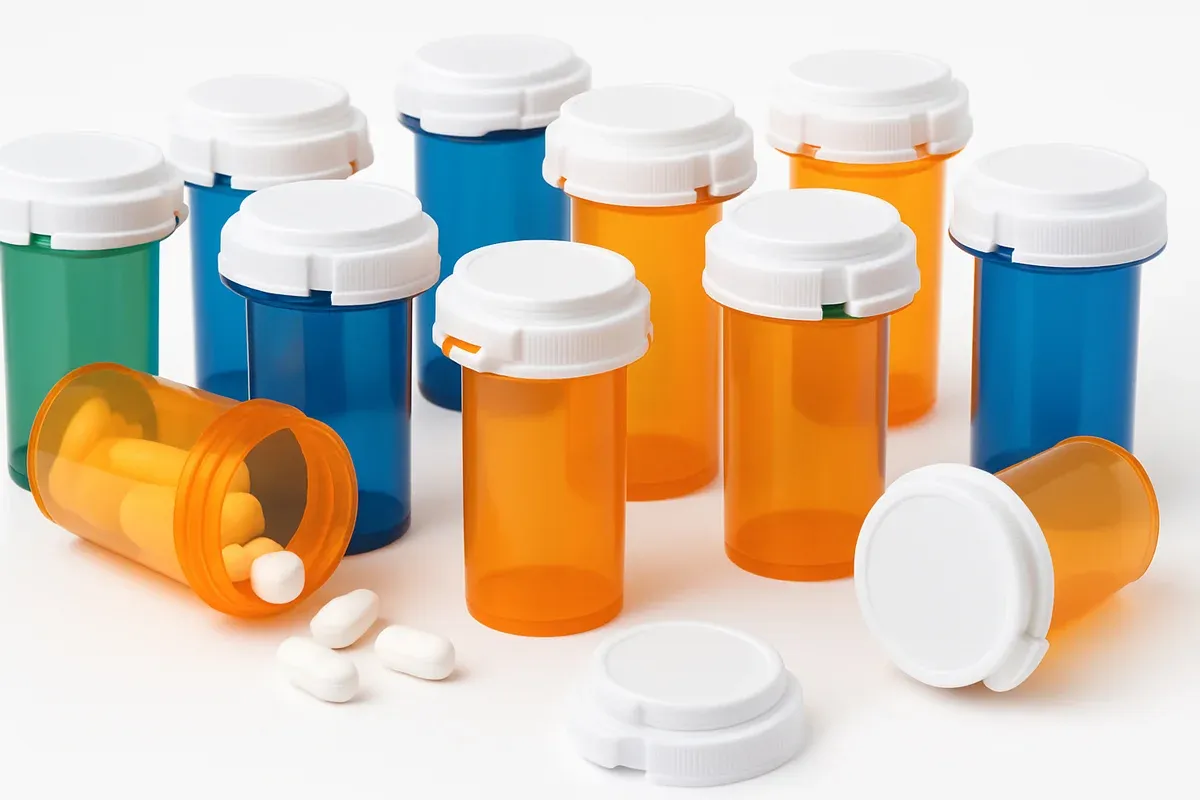
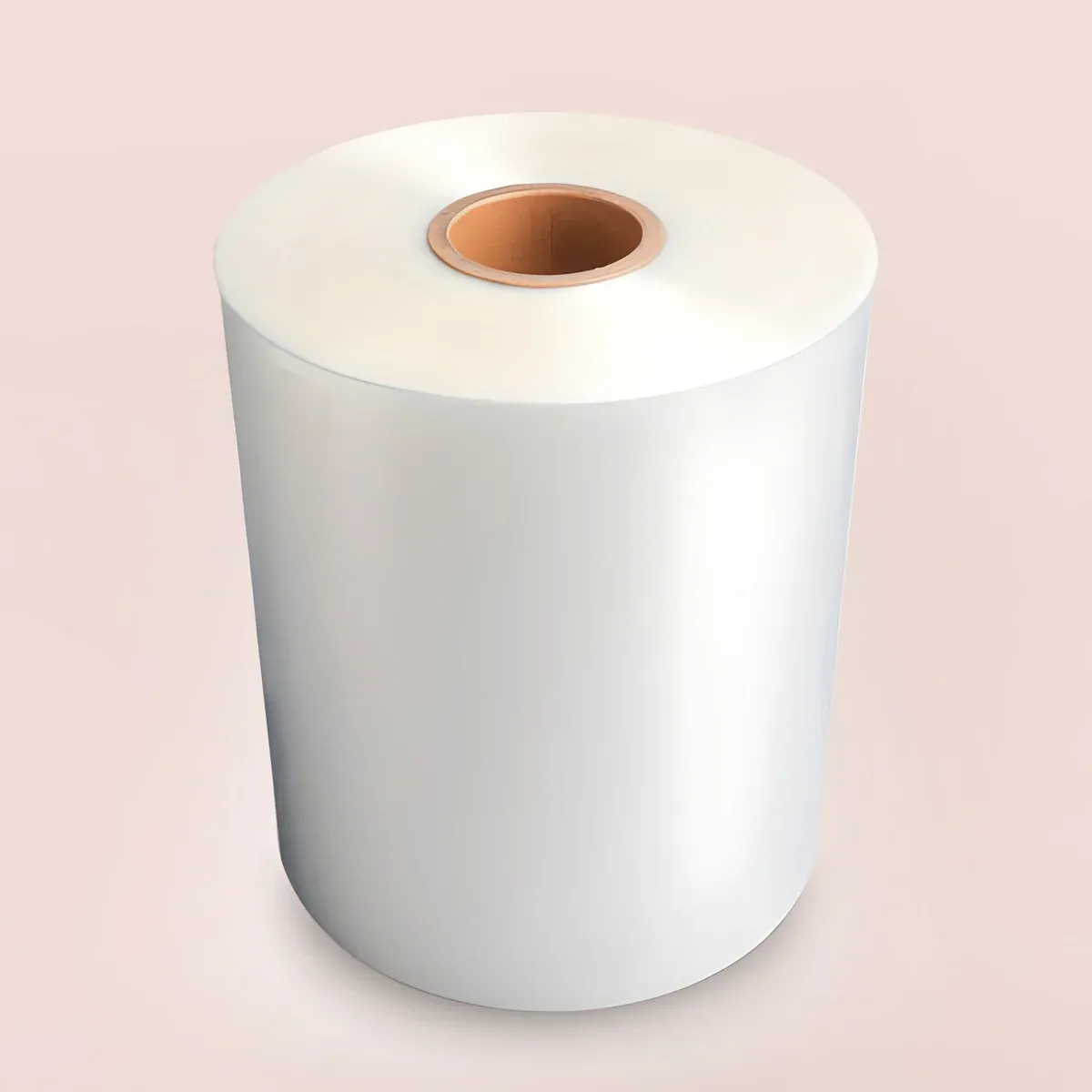
PLA stands for polylactic acid, a bio-based plastic derived from renewable resources like corn starch or sugarcane, offering a sustainable alternative to traditional petroleum-based plastics.Polylactic Acid (PLA) is a bio-based polymer derived from renewable resources like corn starch or sugarcane. As an eco-friendly alternative to traditional plastics, polylactic acid resin is widely used in PLA packaging, 3D printing, medical applications, and disposable tableware. Its compostable nature makes it a sustainable choice, reducing environmental impact while maintaining versatility and durability. With increasing demand for greener materials, bioplastic manufacturing is paving the way for a more sustainable future in various industries.
Made in India
Bio Based
Low Carbon Footprint
Compostable
Recyclable
No Microplastics
Key Message
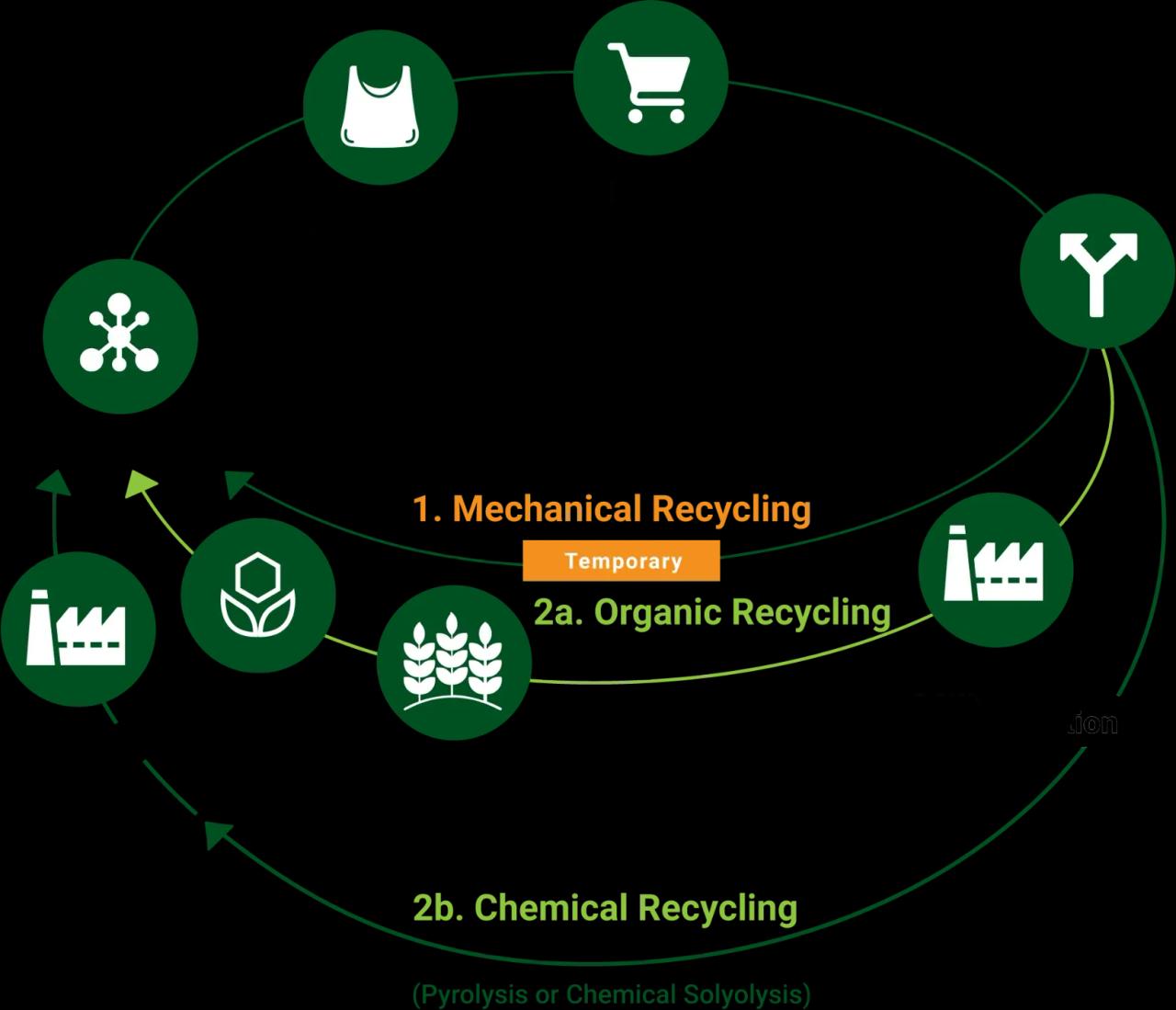
- PLA offers a comprehensive, earth-to-earth solution. Organic Recycling, with the help of Anaerobic digestion and composting can create biogas and nutrient-rich fertilizers.
- The SATAT scheme encourages the establishment of biogas plants across the country to convert waste into valuable energy: Rs.46/kg of CBG + applicable GST. This can be established at every municipality, making it at least a break-even proposition whilst managing all wet waste/biomass waste. Untreated waste accounts for 10% of India’s GHG emissions.
Impact on Global Warming
A Step Towards Lower Carbon Emissions



Carbon Absorption
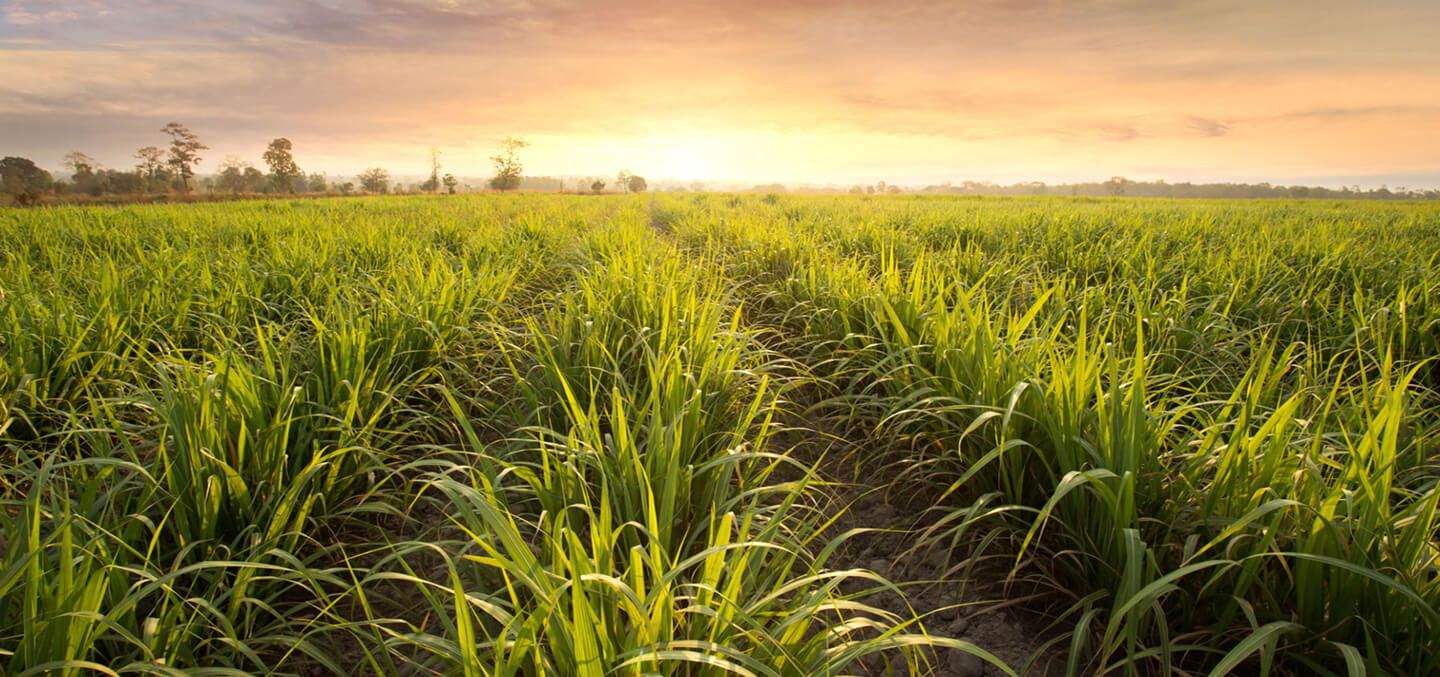
PLA production starts with sugarcane, which naturally absorbs CO₂ from the atmosphere, contributing to a reduced carbon
Sustainable Land Use
Only 1.75 m² of land is needed to produce 1 kg of PLA, ensuring efficient land utilization for sustainable production.
Raw Material Efficiency
1.7 kg of raw sugar is required for every 1 kg of PLA, using a renewable and bio-based resource to create an eco-friendly bio polymer that reduces dependence on fossil fuels and supports a more sustainable future
Reduced Emissions
PLA production emits 0.5 kg of CO₂ for every 1 kg of PLA, significantly lower than conventional plastics.


Latest News
Spotlight On
Stay updated with the latest happenings, innovations, and milestones shaping our journey. From groundbreaking launches to impactful collaborations, we bring you stories that highlight our commitment to excellence and transformation.